The Allure of Risk and Reward
The psychological pull of gambling often stems from the inherent allure of risk and reward. Humans are naturally drawn to the thrill of uncertainty; this is deeply rooted in our evolutionary history. Engaging in risky behaviors has, at times, led to survival and prosperity. Thus, the prospect of winning, particularly in gambling, can trigger the brain’s reward system, releasing dopamine and providing a rush of excitement. For instance, many players find exhilarating opportunities to win at reputable sites like 1win.
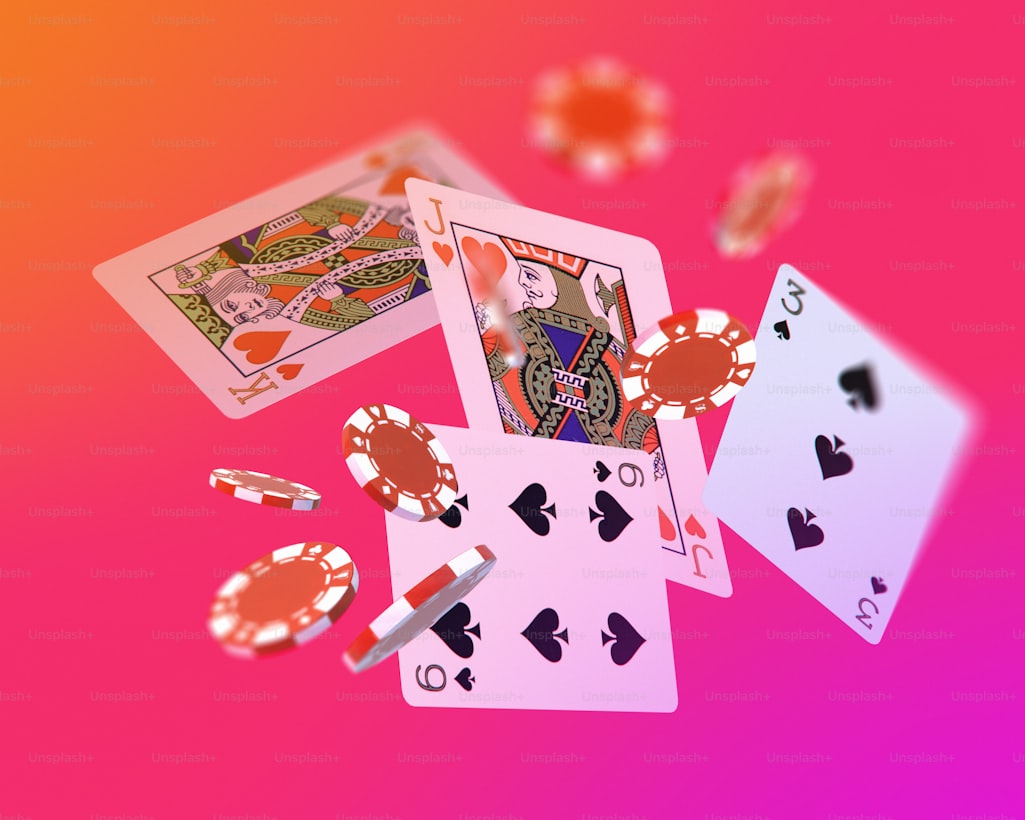
This combination of risk and reward not only captivates seasoned gamblers but also attracts newcomers. The unpredictability of outcomes enhances the thrill, making the experience exhilarating. The potential for a significant payout, especially in high-stakes games, further amplifies this excitement, often overshadowing rational considerations and leading individuals to play more frequently.
The Role of Cognitive Biases
Cognitive biases significantly influence our decisions in gambling. One such bias is the illusion of control, where players believe they can influence outcomes in games of chance, such as slot machines or roulette. This misplaced confidence can drive individuals to gamble more, as they feel their actions contribute to winning, despite the inherent randomness of these games.
Another common bias is the gambler’s fallacy, which leads players to assume that past events can influence future outcomes. For instance, if a particular number hasn’t won recently in a game, gamblers may feel it is “due” for a win. Such biases can create a false sense of security, reinforcing the desire to continue playing even in the face of losses.
The Social Dynamics of Gambling
Gambling often serves as a social activity, enhancing its psychological appeal. Whether in a brick-and-mortar casino or an online platform, the communal experience of playing games can create a sense of belonging and camaraderie among players. This social aspect can make gambling feel less isolating and more enjoyable, encouraging individuals to participate more actively.
In online settings, chat features and interactive games facilitate social interaction, allowing players to share experiences and celebrate wins together. This social reinforcement can create a strong desire to engage repeatedly in gambling activities, as individuals seek not only financial gain but also social connection.
The Impact of Marketing and Promotions
Marketing plays a crucial role in the psychological appeal of gambling. Advertisements often emphasize the excitement and glamour associated with gambling, showcasing lavish lifestyles and the potential for life-changing wins. This kind of messaging can create unrealistic expectations, making individuals more likely to engage in gambling as a means to achieve their dreams.
Promotions, such as bonuses and loyalty programs, further enhance the allure of gambling. They provide additional incentives to play, often leading individuals to gamble more than they initially intended. These tactics exploit psychological principles by creating a sense of urgency and fear of missing out, encouraging players to chase after deals and potential rewards.

Exploring Online Gambling Platforms
Online gambling platforms, such as 1Win, have transformed the gambling landscape. With a vast selection of games and user-friendly interfaces, these sites cater to a wide audience. They combine the excitement of traditional gambling with the convenience of accessing games from home, appealing to a broader demographic.
The security features and localized payment methods offered by platforms like 1Win ensure a safe environment for players. This trustworthiness is essential in the digital age, as individuals are more likely to engage in online gambling when they feel secure in their transactions. As the online gambling industry continues to grow, understanding the psychological factors that drive individuals to play remains crucial for players and operators alike.